Chapter 2 of the Belize 2025 P4MR Surgical Mission
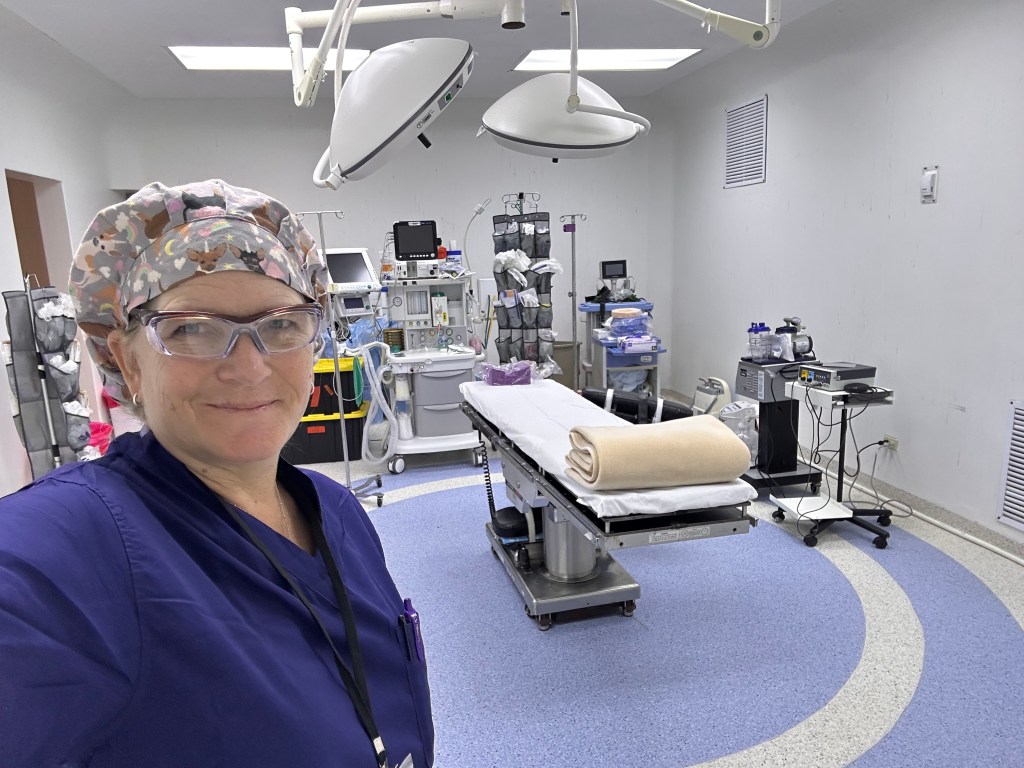
Setting up the OR’s and arranging the surgeries for the week is actually one of my favorite parts of this mission. Back in 2020 when my fellow St Charles Surgical Tech (CST), Kathie Cooper, and I arrived at the Corozal Hospital, we didn’t know what to expect. The bulk of the doctors and nurses volunteering headed off to the front of the hospital to start screening 200 and some folks sitting out in the warm weather, waiting to see if they would be chosen to have surgery or not. That left Kathie, and an RNFA, who’s since become a good friend, Carolyn Murrell, to organize the OR’s and supplies for the surgeries that would start the next day. I was glad Carolyn is an OG to the P4MR missions, and she got us going in the right directions. In 2025, Carolyn and I were fortunate enough to have like 5 other volunteers back there with us, setting things up! One RN, Tina, and two CSTFA’s, Christina and Theresa, from Virginia, and Carolyn’s granddaughter, Nirendi. We also had a few of the young people who would be serving in the village medicine missions each day, Sean and Mary.
At the end of that 2020 mission, I determined that things could be done better. I took a bunch of notes, and with Carolyn and Stephanie’s feedback, decided to approach my employer, St Charles Healthcare, to see if they would be willing to donate surgical supplies to make our job over in Belize a little easier.
Fortunately for me, we work in a small hospital system, and know many of our top tier administrators personally. It’s one of the perks, to me. Our hospital administrator, for Madras and Prineville, Todd Shields, is a very visible presence, both at the Madras and Prineville hospitals, and I know that I can always show up in his office, or approach him in the hallways, and he will know who I am, and give me a few minutes of his precious time. Todd was very receptive when I first approached him about a possible donation. He has seen to P4MR receiving surgical supply donations the past 3 years and we couldn’t be more grateful. Because of Todd and Brenda Olheiser, the Supply Chain Lead, at the Prineville hospital, the doctors, nurses, and CST’s volunteering with P4MR in Belize, get to wear clean sterile gowns, gloves, and use new surgical supplies that help us give the patients the best possible opportunities for a good healthy outcome with their surgeries. These donations are priceless to the mission, if you ask me.
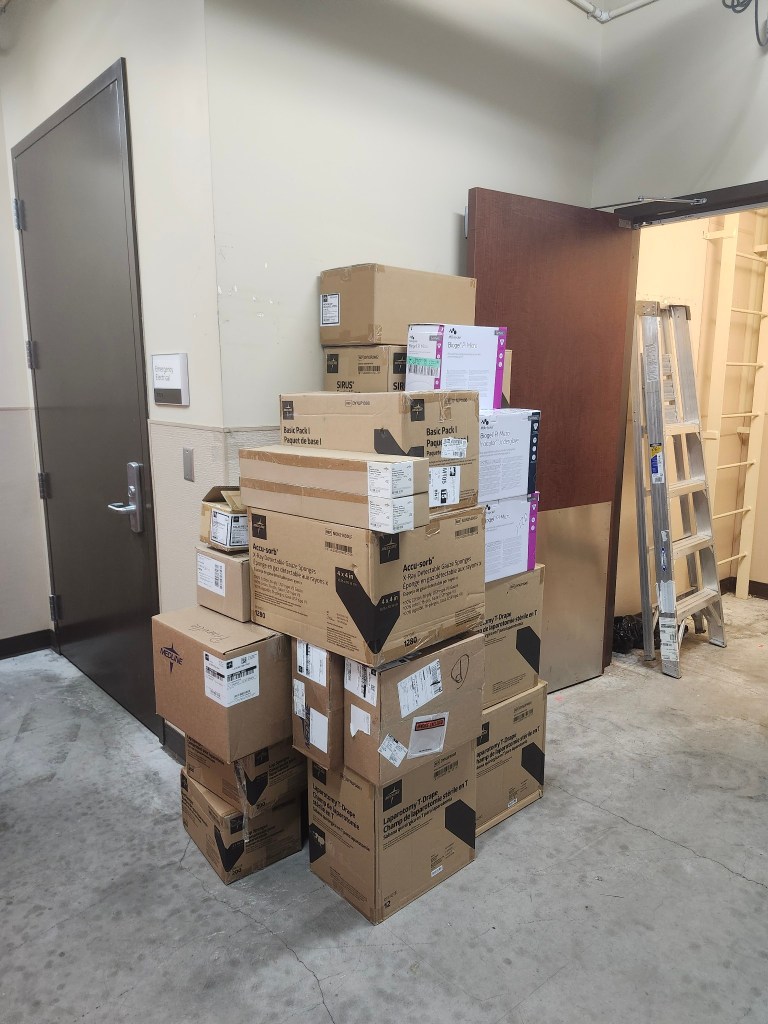
Because of these donations, I believe the people of Belize, whom we serve, will have potentially better surgical outcomes, with less possible complications due to issues like substandard prep solutions, substandard drapes and gowns, as well as surgical instrumentation. I know it makes my “job” over there easier.
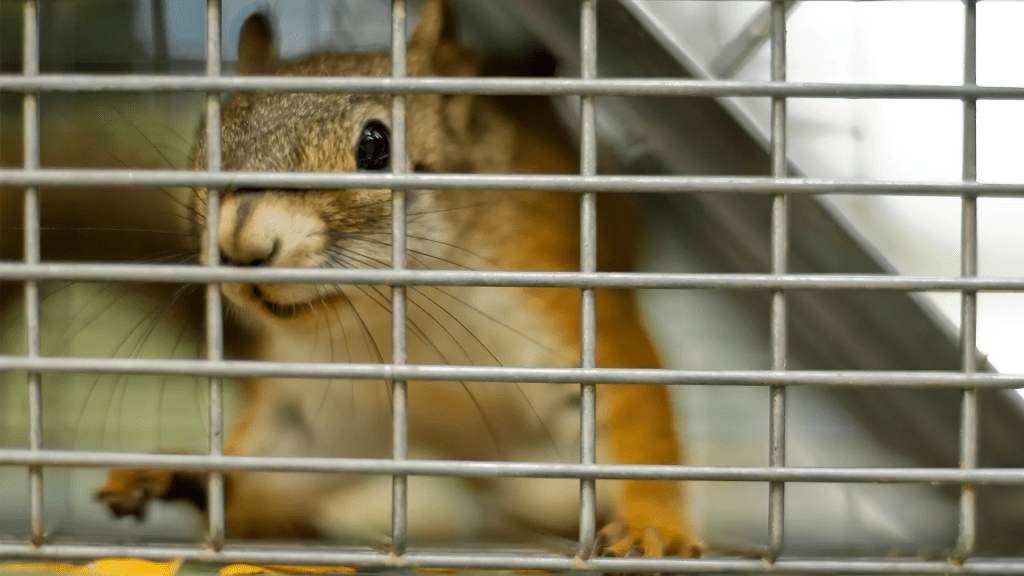
So, once again, the squirrels got loose and took off. I had to go round them up, to get back to the point of this post! I have to watch the little buggers, they have a mind of their own!
Setting up the OR’s in Belize means making sure each room has the proper equipment and supplies ready to go. An operational cautery machine, step stools for the patients to get on the OR beds easier, a back table and mayo stand for the surgical supplies and instruments to be set up on. All the things that are found in OR’s all over the US. At the same time, the anesthesia crew, mostly from the University of Cincinnati, are working hard to check out the anesthesia machines, and get their own supplies organized and ready for the surgeries to start, the next day. They also go help screen potential surgical candidates, to make sure they’re in good enough health to undergo an anesthesia event.
All during this prep time, I’m making notes, and we’re thinking of what we can do better next year. This is assuming I’ll get to go again. Even if I can’t go, I want to set the group who does get to go, up to succeed as much as possible. The OR’s are buzzing with activity on this day. Now realize that in the US, things don’t necessarily work it does in Belize. Most of the time, the OR’s are set and the red line is a hard line that can’t be crossed without being in proper OR attire (scrubs, scrub hat, and OR shoes that don’t go outside). In Belize, many of us go in and out of the OR’s and the surgical areas, not in proper OR attire. After we have everything set up and ready to go, we leave, and the Belizean hospital staff does a “terminal clean” of the OR areas. This means mopping the floors and washing everything down, walls, ceilings, the works. After that, we have to be in OR attire, before entering the area. Belize is big on shoe covers, so we wear those at all times. That’s not a far reach for me, I wear them when I’m at work, pretty much all the time anyhow. And no, I do not wear my OR shoes outside the hospital, ever.
Once we have the OR’s set up with the proper equipment, it’s time to go through our instruments and set up the trays, getting them all organized and ready for sterilization. Thanks to the great group we had helping set up, we were able to put 8 trays together for the surgeries we anticipated.
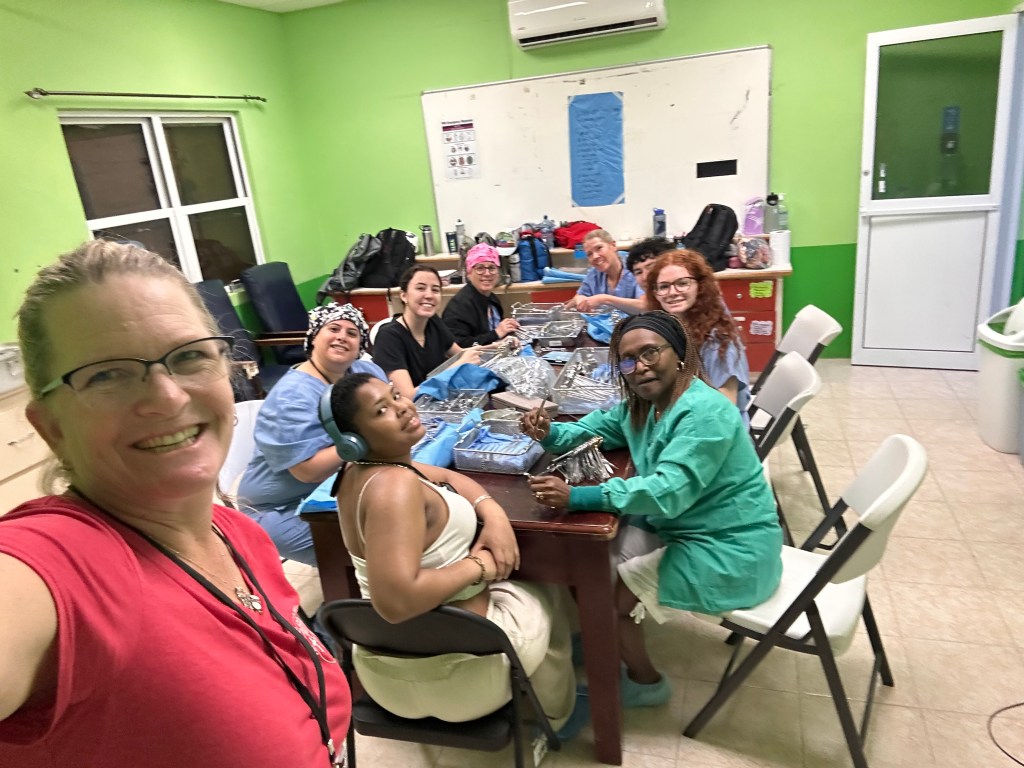
We handed off our trays to Troy and Kate the Belizean sterile processing folks we worked with that day. Most of the gang headed back to Tony’s to count medications for the village teams, while I made my way to the clinic to see how the patient schedule was coming together. The doctors had seen several folks and decided that some of them would not be suitable for a surgical procedure, due to their comorbidities (things going on that may or may not be related to what they were being seen for, but would preclude them from being safe surgical candidates), but several folks did make it through the screening, and were put on the surgical schedule that Stephanie put together. It surgeons for the week were Dr Trish Abello, a general surgeon in the Northern Kentucky area and Dr David Carne, a general surgeon in Redmond, Oregon. He is why I started coming along on these little trips to Belize each year. We worked together in Prineville for 9 years, would be the surgeons on duty for the P4MR week one of general surgery.
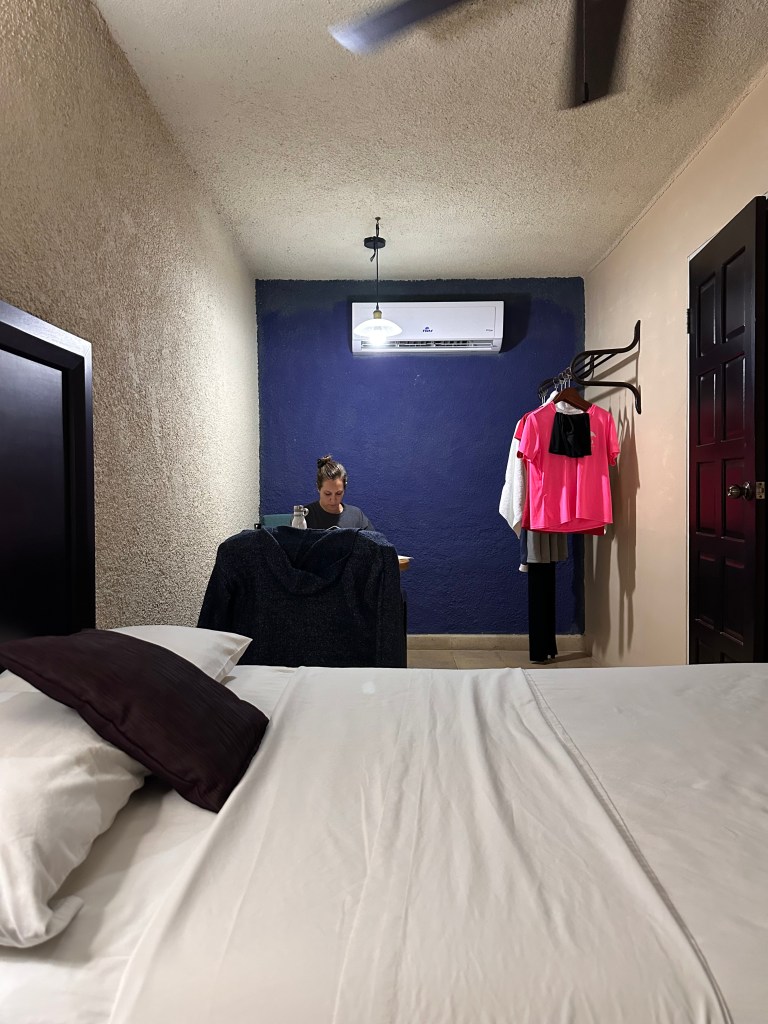
The schedule is set! The OR’s are ready, now for Stephanie and Dr Carne, who is fluent in Spanish, to call our patients and get them set with their arrival times and pre-surgical instructions. They did this for both Dr Abello and Dr Carne’s patients. These two really do work so hard to make our surgical week roll out smoothly!
The first surgeries were set for 0800 the next morning. We all crawl in bed, full of anticipation, I think. I know I do.
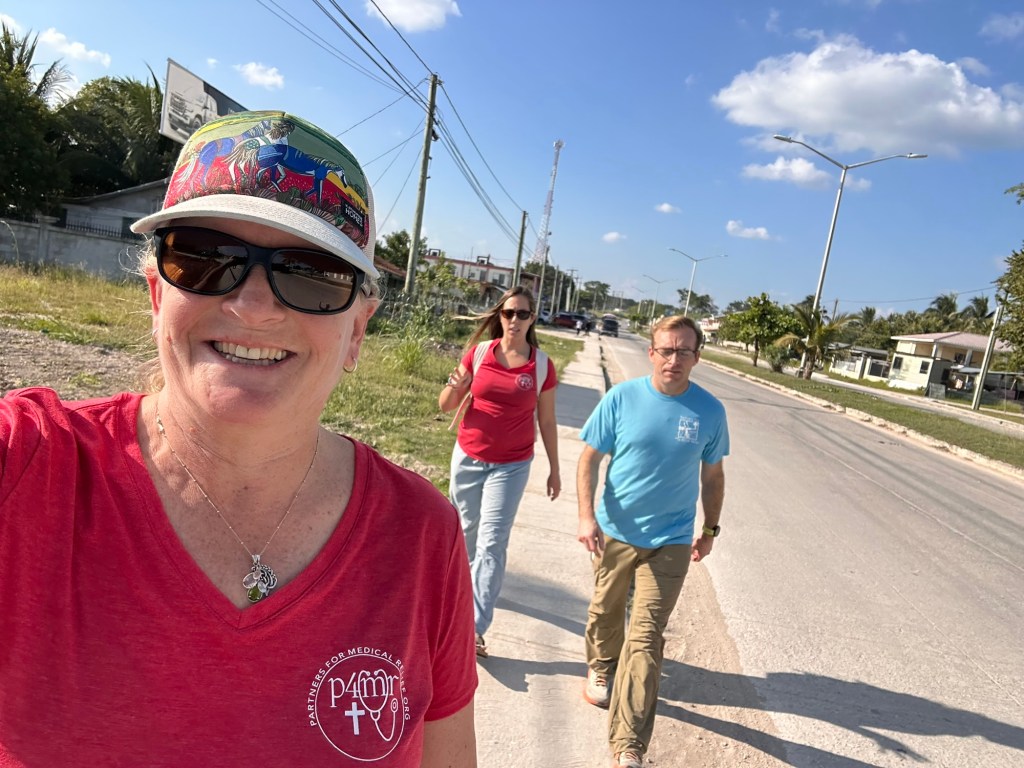
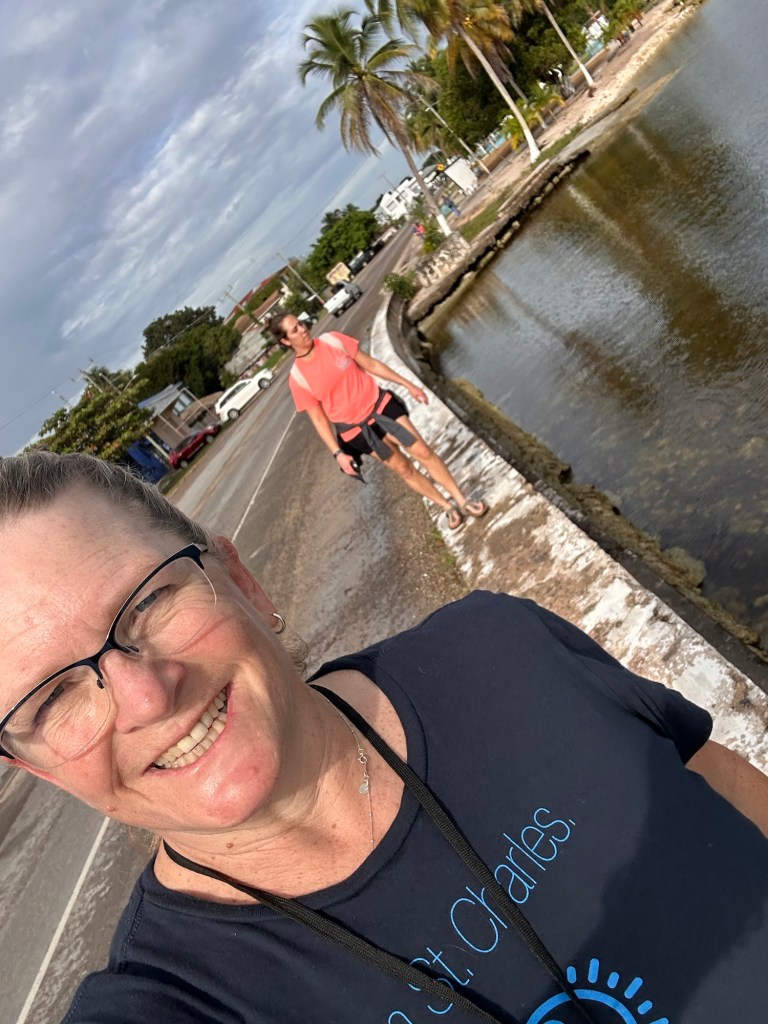
My alarm goes off at 0515 the next morning! I try to get a 2 mile walk in every day that we work in Belize. I had let the other gals know of my intentions, and invited them to join me. That first morning, no one partook, so I went alone. Only later did John Kirby remind us all to move in pairs. Oops!! No one bothered me though. In fact, there were quite a few other locals doing the same thing I was. My brisk walk/jog done, I showered and headed to breakfast. Oh yes, don’t forget the bug juice! Those little Belizean noseeums LOVE my Scandinavian blood for some reason! I look all chicken popped from just above my knees to the ends of my toes by the time my week in Belize is done! Surprised I don’t get DEET toxicity!
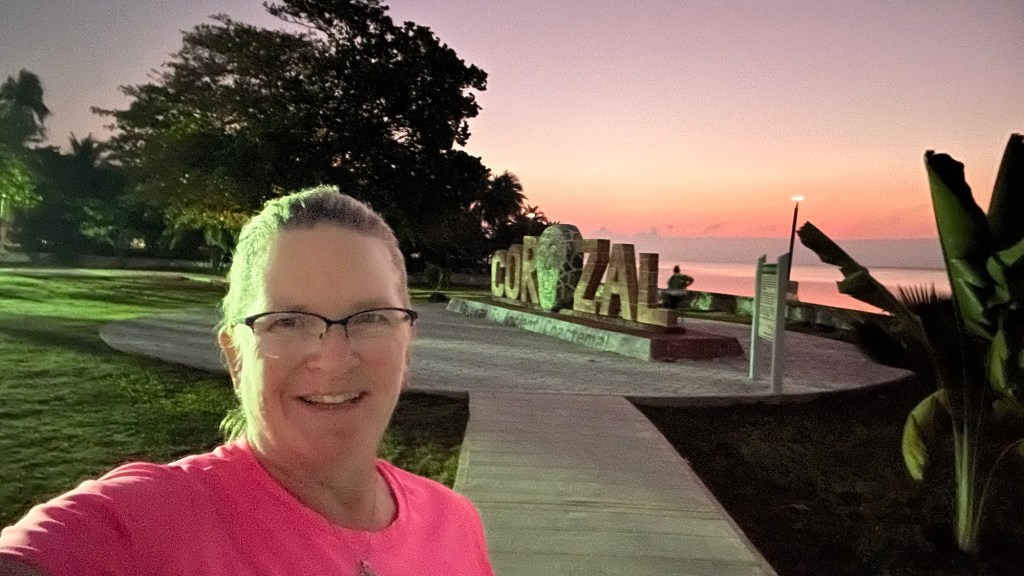
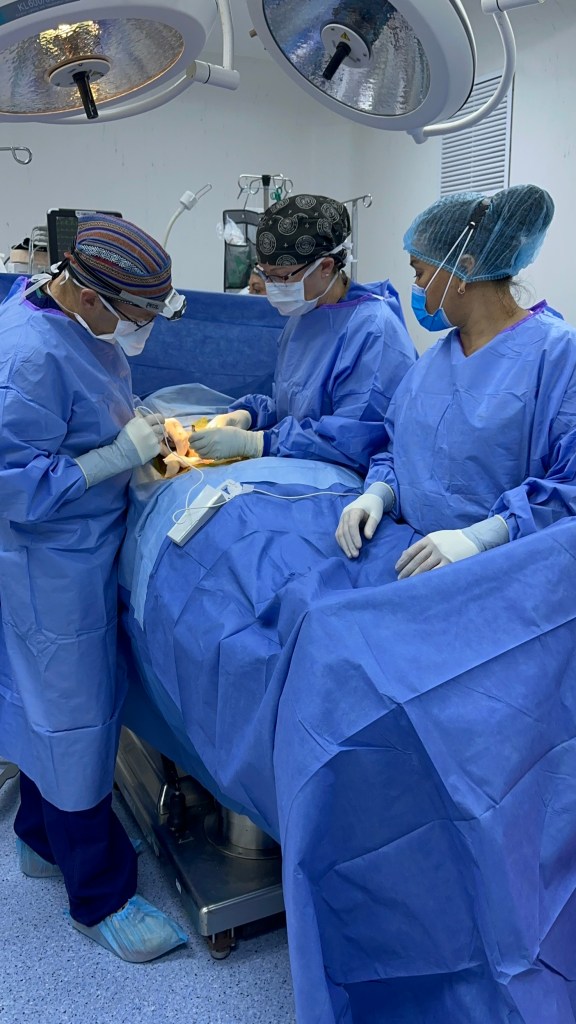
Breakfast consists of puff pastries, scrambled eggs, ham and refried beans. Dr Carne demonstrated how to open the end of the puff pastry and fill it with all the goodies. Yummalicious! Fresh OJ, coffee and water to go with our breakfast made it complete. At the conclusion of breakfast, the volunteers broke out into our village team group and our surgical team group. Part of the OR team hoofed it out of there, for the 2 mile walk to the hospital. Beings as I already did a 2 mile walk and I don’t want to get to the hospital all sweaty, I opted for the van ride. Pulling up to the hospital, we could see the day’s patients already gathering. Passing into the inner sanctum, we put on our shoe covers at the doors and headed into the locker rooms to change into our OR scrubs and hats. Stephanie and Theresa opened up our OR while I did my first scrub of the day. I gowned and gloved up and set up for our first surgery, an inguinal hernia repair. Soon our patient was in the room, anesthetized and prepped for surgery. Let’s do this!
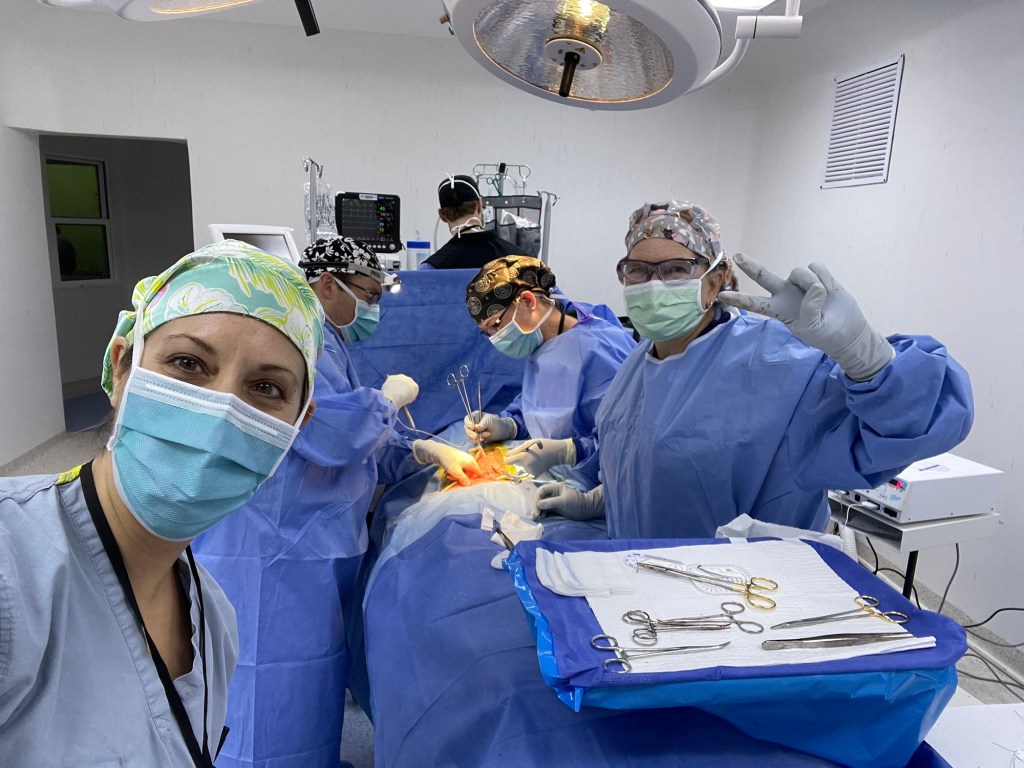
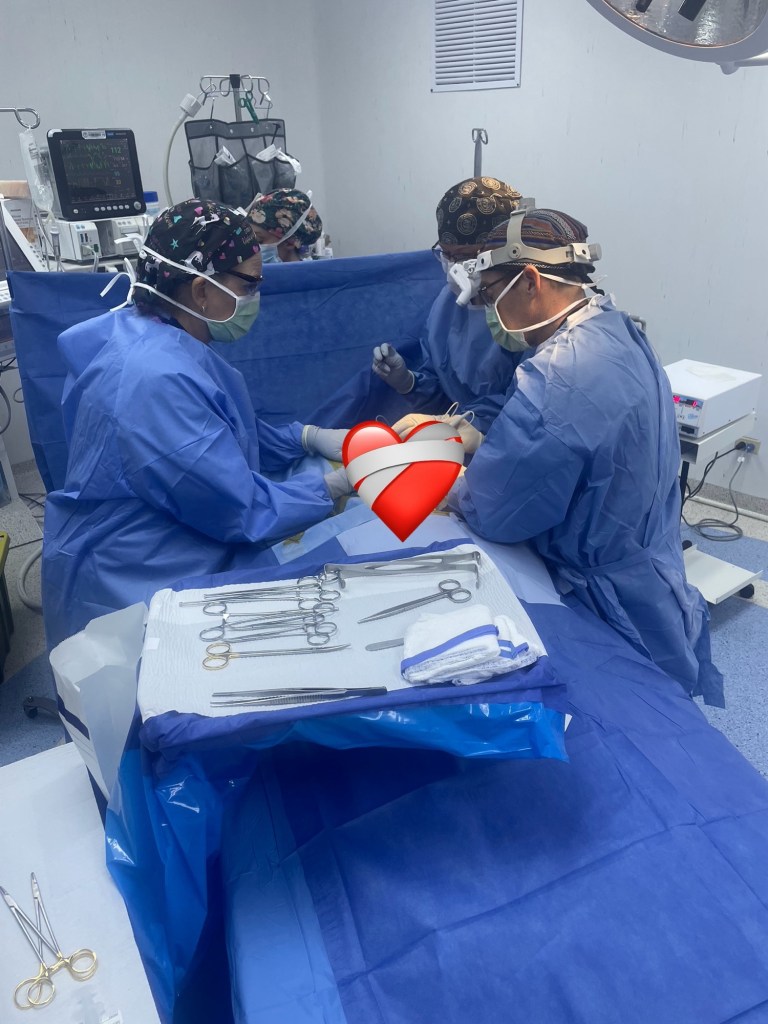
We did two inguinal hernias and two umbilical hernias that day, I believe. The following 3 days were much the same, shampoo, lather, rinse and repeat. I love every minute of it. It’s not terribly exciting to some people, but to me, it’s simply amazing.
After our day in the OR, some of us were happy to walk back to Tony’s together. Another 2 mile hike, through Corozal, and along the waterfront. We looked forward to this daily walk!
One thing that we all figure out sooner or later, doing surgery in a 3rd world country, is that one must make do with what they have to work with, and do their best work possible, while keeping the safety of the patient foremost in their mind. This means conserving supplies as much as possible. Utilizing everything we open and try not to be wasteful. Supplies and resources are very limited down there, so while we make sure that our aseptic technique is as good as possible, we also keep in mind that we have to conserve supplies like our hernia mesh, as much as possible. We cannot afford to be too hasty and potentially drop things on the floor. We can’t afford to open too many trays of raytecs, or one too many packets of suture.
I think perhaps, that this aspect of surgery in Belize, just may be what attracts me the most. It harkens back to my 30 odd years as a licensed/certified vet tech. Most vet clinics/hospitals are privately owned and run. The more resources you waste, the more equipment you handle carelessly, the less your paycheck will be. Insurance does not run vet clinics, the way it does human medicine. One has to be mindful of waste and abuse of resources. The equipment may not be state of the art, but we make do with what we have to work with, as long as it won’t harm the patients. I feel much the same about surgery in a country like Belize. Most of the medical equipment is donated from other countries, so while they may have an endoscopy tower, they may not have the endoscopes to go along with it. You piecemeal things together and make it all work. This is part of the challenge for me. I don’t get too caught up in what we learned in our textbooks, back in CST school. I don’t think too much about how we’d be doing something differently, if we were at our home hospitals. That sort of thing will short circuit a person’s work in a place like Belize. You make do with what you have, you preserve patient safety, and you just keep going. If you can’t do these things, then mission medicine probably isn’t for you, and that’s ok too! Not everyone is cut out to do mission medicine. It makes you think outside of the box and that’s not easy for the average tech, nurse, or doctor. And, it’s what makes us that can do it just a little bit special. That’s what I’d like to think anyhow. I know that the folks who show up and serve in these medical missions are special folks. They get it…and if they don’t get it, they don’t come back, and that’s ok too!
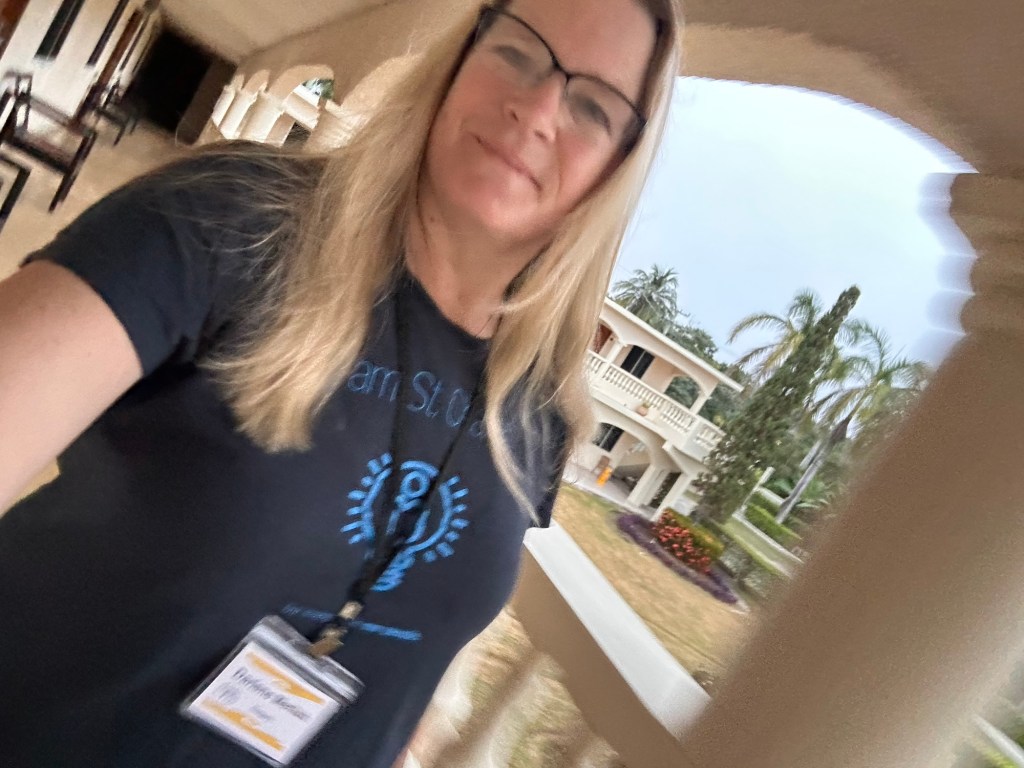
Like I said, it ain’t for everyone. That’s why I love it. This attitude is probably why one of the gals we worked with likened me to the Darlene character from the show, Ozark. I didn’t get the reference, but she very much assured me that she meant this as a compliment. 🤷♀️ I’m a little skeptical of that! Murder, illicit drugs and baby stealing isn’t really my jam, but whatever! 🙃😸
I genuinely believe that Belize is working hard to improve the quality of healthcare provided to her citizens. As I stated in my previous blog, Belize has only been an independent country since 1981, when the British turned the country back over to its citizens.
I don’t know much more than this, about the state of healthcare for the averable Belizean citizen. What I do know is that the folks we serve are very grateful. They are a humble and kind people who are happy to go home after their surgeries with some ibuprofen and tylenol, and still feel like they’ve been treated fairly by our surgeons and volunteers. This drives me to go back, year after year. I see the care and concern that Dr Carne and Dr Abello have for their Belizean patients. I don’t know if Dr Abello does this or not (because I’ve only worked with Dr Carne down there), but I do know that Dr Carne follows up on many of his patients, via WhatsApp, after their procedures. He really wants to know how they’re doing, post surgically. I love his dedication to the people of Belize and their wellbeing, and it’s part of what makes me want to return each year.
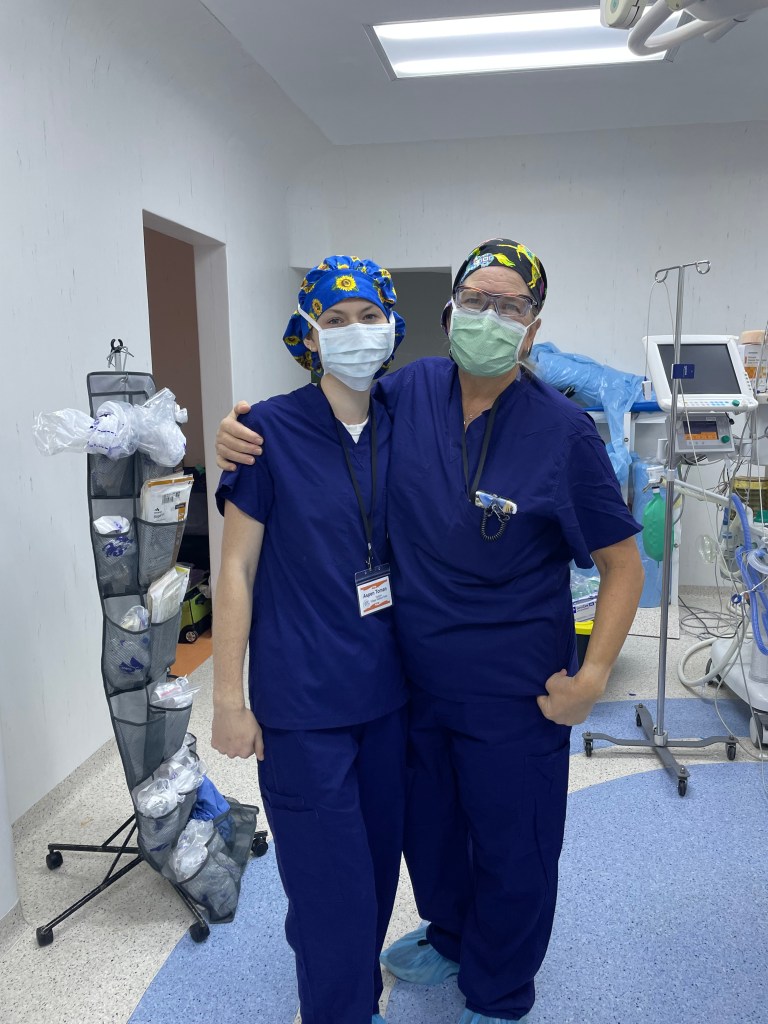
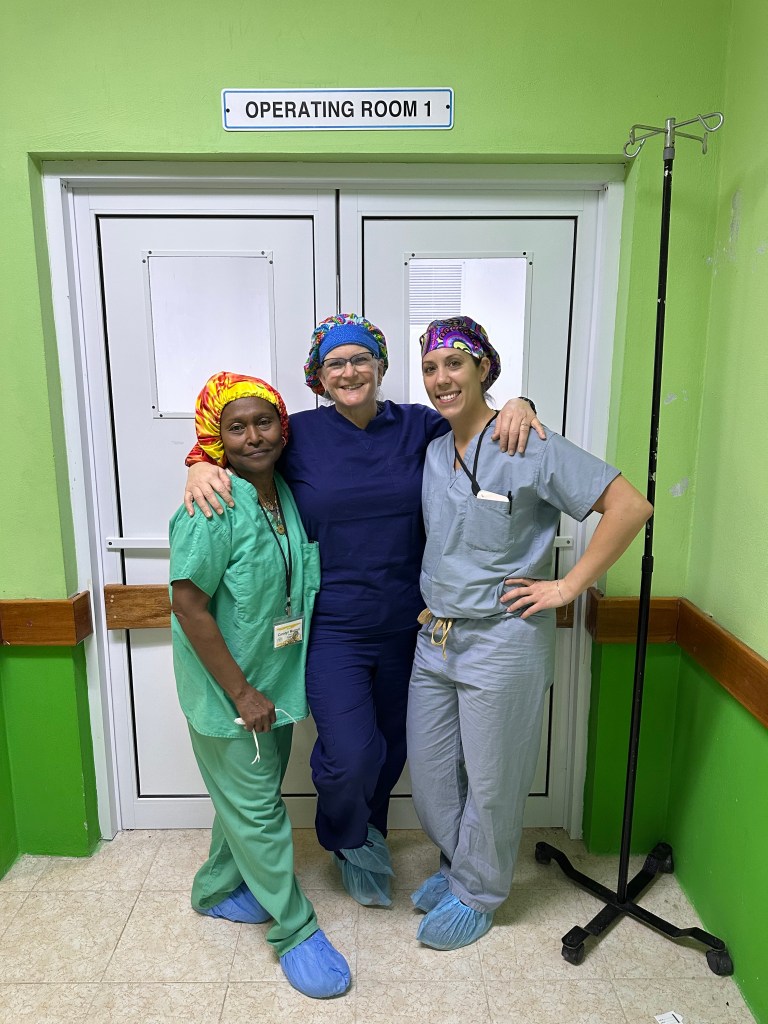
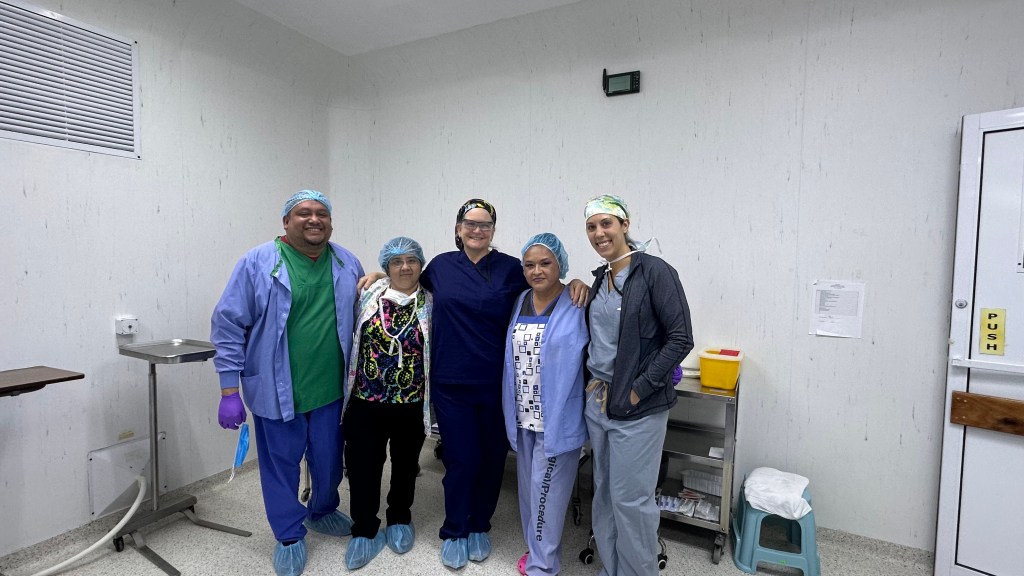
We are all exhausted after 4 days of surgery, but we still have to take the time to count our remaining supplies and put them away so the next teams don’t have to navigate around “our” stuff. They have their own supplies they need to unpack and make space for!
We get up early, and go to bed earlier each day, as our level of exhaustion dictates. That doesn’t mean we don’t have some fun each day though. We make our way back to Tony’s, our Belizean home away from home, have dinner, and maybe an adult beverage (or not!), and regale one another with tales of our daily adventures, both in the OR’s and in the villages. And on the last day, we very much celebrate, because you know why? We done good! We feel good about that, and we love how that feels!
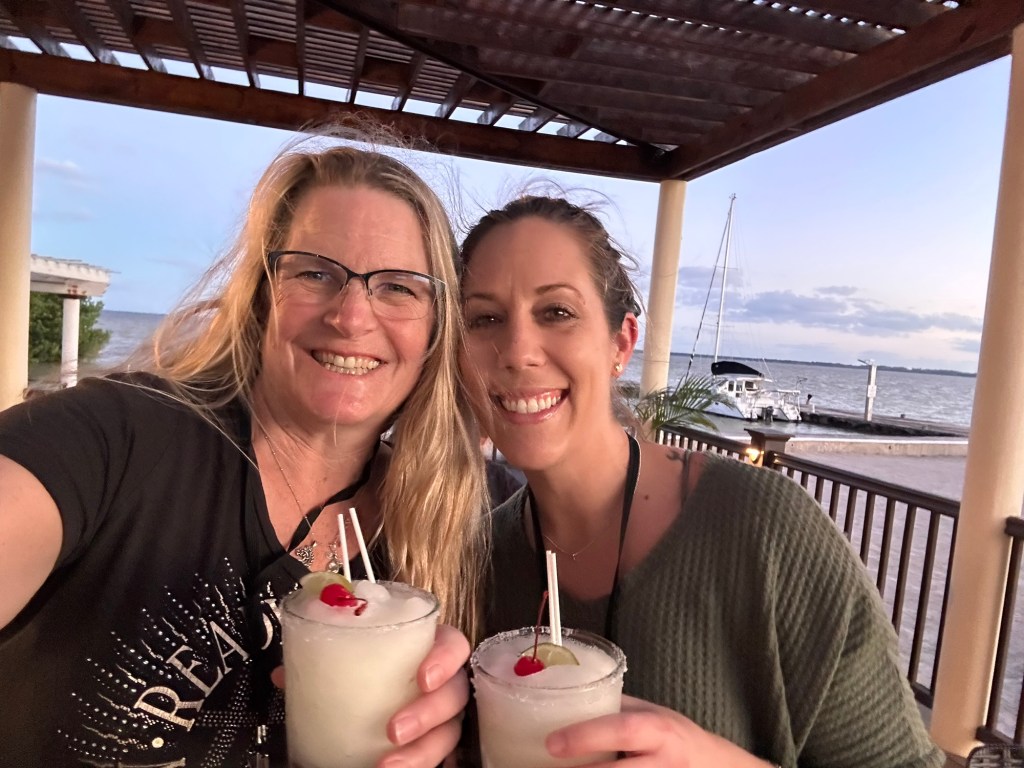
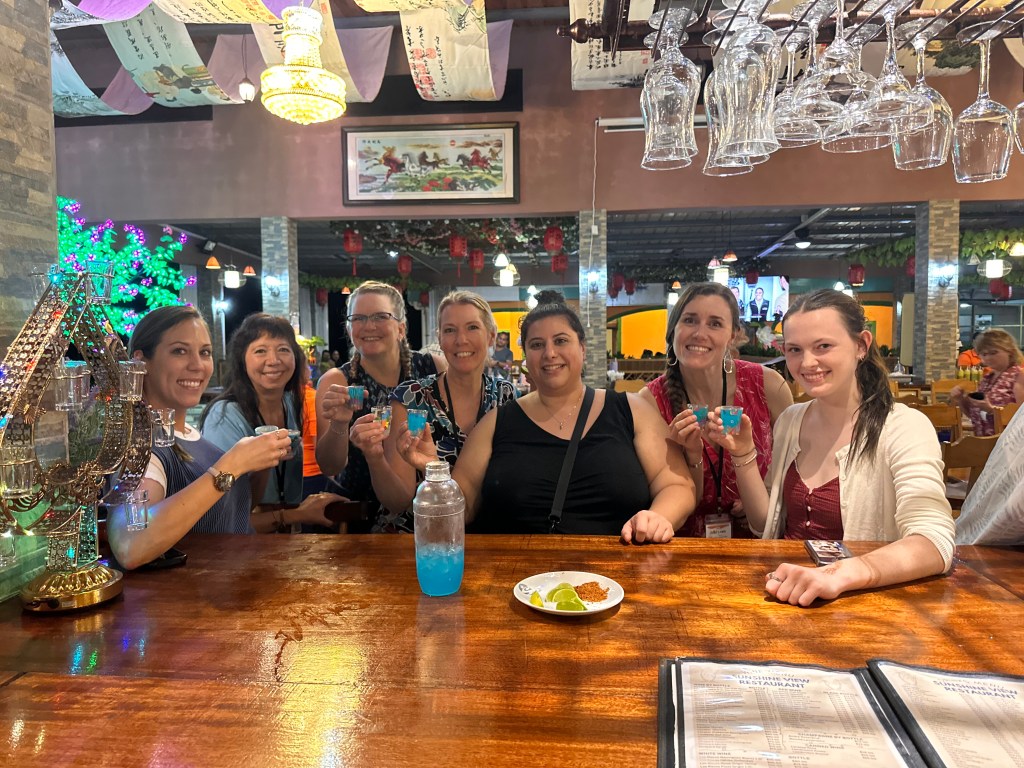
What do we do after all this work? Why, go play of course! P4MR sends us out on a “fun day” that we can choose from. Jessica and I went to some Mayan ruins in 2020. Unforgettable river boat trip and then the tour of the ruins was life changing for me. In 2021, the missions were canceled due to COVID. In 2022, they could only offer a trip to a beach resort for the day. Fun was had! In 2023, we all headed to San Pedro, and did some fishing, snorkeling and all sorts of other fun touristy stuff. I had to skip the trip in 2024, because…again, horses. This year our gang decided on a guided fishing/snorkeling trip out of San Pedro, once again. That’s for another blog post though!
Stay tuned!
PS…

When I did a search of what sort of routine healthcare is available in Belize, in an effort to help the average person, living in the US, with our fairly easily accessible healthcare, understand how it is in Central America, where healthcare isn’t always fair, or easily accessible, Google came up with the following:
“Belize’s healthcare system is made up of both public and private facilities. The Ministry of Health (MoH) is responsible for overseeing the public sector. [1, 2]
- The MoH provides free or low-cost healthcare services to citizens [1, 3]
- The MoH operates hospitals and clinics in major towns and smaller clinics in villages [4]
- The MoH also runs the National Referral Laboratory, which offers free blood tests [3]
- The public healthcare system includes primary, secondary, and limited tertiary care [3]
- The public healthcare system includes vaccination coverage, maternal health, and birth control [3]
Private healthcare [1]
- The healthcare system is also financed by local private health insurance
Challenges [5]
- The public healthcare system is underfunded, understaffed, and under-supplied [5]
- There are long waiting queues for public healthcare services [5]
- There are health disparities between the capital city and other parts of the country [3]
Services [6]
- Primary and secondary care: All regions of the country provide primary and secondary care
- Community services: Health posts and health centers serve the rural population
- Mobile services: Remote villages receive mobile services for prenatal care, immunizations, and outreach community services
Generative AI is experimental.
[1] https://www.globalsurance.com/health-insurance/belize/
[2] https://en.wikipedia.org/wiki/Healthcare_in_Belize
[3] https://scholarworks.gvsu.edu/cgi/viewcontent.cgi?article=1435&context=honorsprojects
[4] https://belizefaqs.com/healthcare-in-belize/
So yea, now you can stay tuned for more!
~D.
 What Darlene Says...